

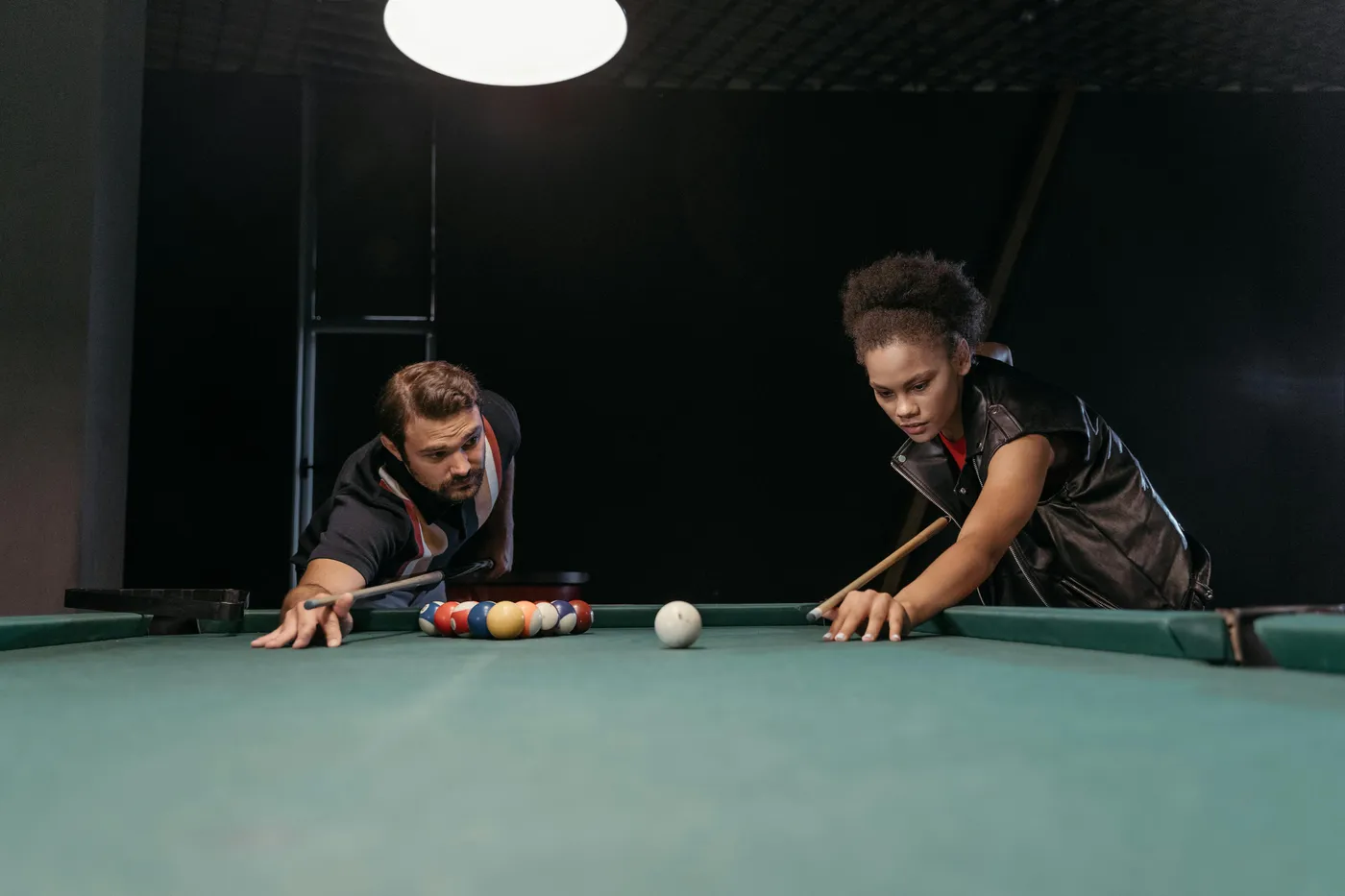
World Snooker Championship 2026: Why Cue Sports Are Brilliant for Young People
The World Snooker Championship is back at the Crucible Theatre in Sheffield — 17 days of the most intense, mentally demanding sport on television. But beyond the drama at the Crucible, there's a thriving junior scene that offers young people a genuine competitive pathway from their local club all the way to the professional tour.
The Crucible: Where Legends Are Made
Since 1977, the Crucible Theatre has hosted the World Championship — the most prestigious event in snooker. The intimate 980-seat venue creates an atmosphere unlike any other sporting arena. Players must maintain absolute focus while the audience sits just metres away, making it one of the most mentally demanding environments in sport.
The tournament runs across 17 days in April and May, with 32 players competing in a knockout format. Matches at the business end can last over two days, testing endurance, concentration, and tactical awareness to the absolute limit. It's a sport where a 17-year-old qualifier can beat a multiple world champion — and it happens more often than you'd think.
Why Snooker Is Great for Young People
Geometry & Angles
Every shot involves calculating angles of incidence and reflection. Players instinctively learn geometry through practice — where the cue ball will end up, how cushion angles work, and how to plan three shots ahead.
Focus & Concentration
A frame of snooker requires sustained concentration over 20-30 minutes. Building a break demands absolute focus on each shot while planning the next. This trains the same attention skills needed for exams and study.
Strategic Thinking
Snooker is often called "chess on a table." Players must think several shots ahead, weigh risk vs reward, and adapt their strategy based on the opponent's position.
Mental Arithmetic
Players constantly calculate scores, work out how many points remain on the table, and determine whether they need snookers. Quick mental maths becomes second nature.
Sportsmanship & Etiquette
Snooker has a strong tradition of fair play. Players call their own fouls, shake hands before and after matches, and respect their opponent's time at the table.
Accessible to All
Unlike many sports, snooker doesn't require peak physical fitness. It's inclusive regardless of body type, and can be played competitively from age 8 to 80.
The Junior Competitive Pathway
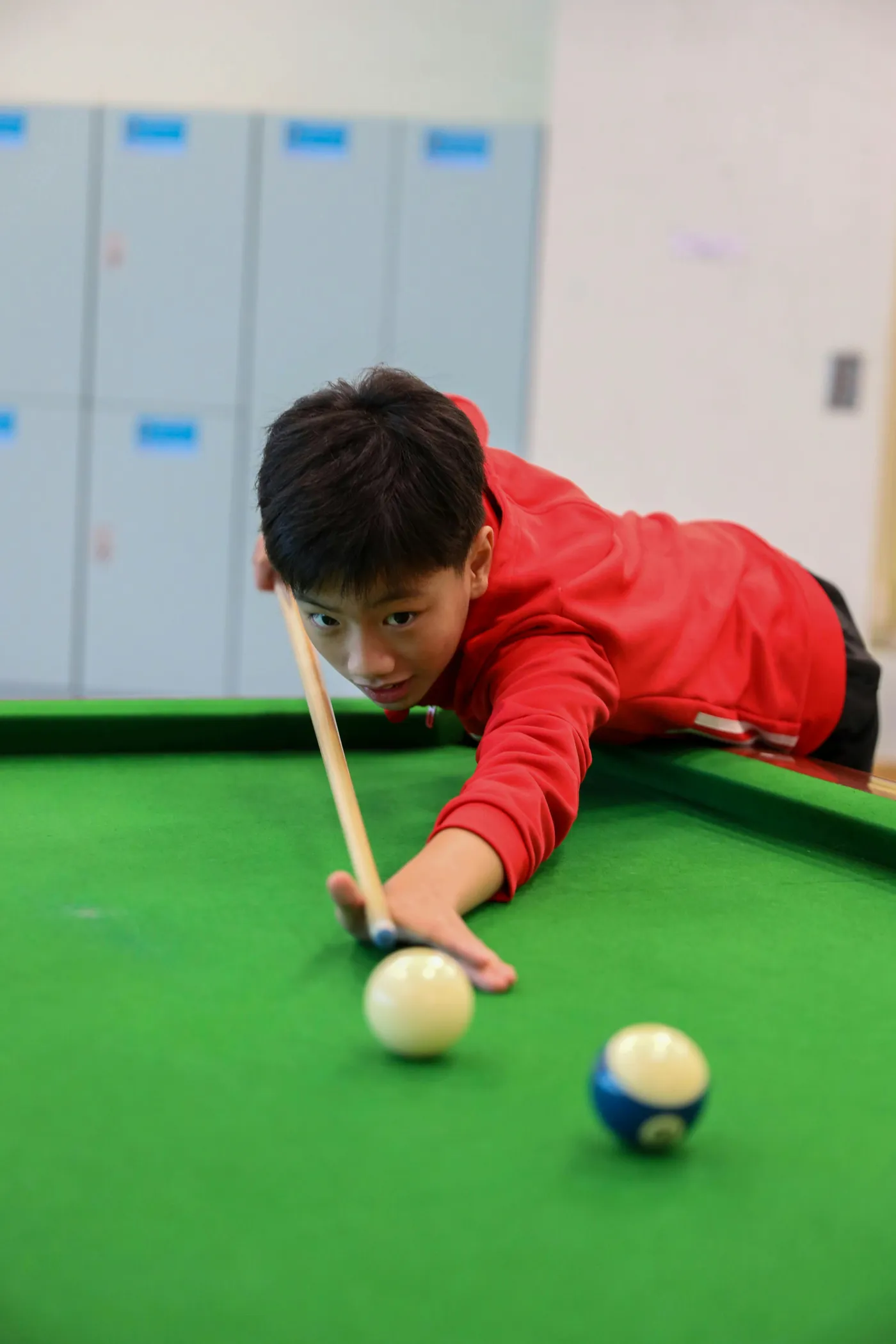
The English Partnership for Snooker and Billiards (EPSB) runs a structured competitive pathway for young players. From your first £1 entry at a local club qualifier to representing England internationally — there's a clear route for talented juniors. And the alumni list speaks for itself: Judd Trump, Kyren Wilson, Jack Lisowski, and Sam Craigie all came through these championships.
English Under-14 Championship
Entry: Just £1 — the most accessible national championship in any sport
Format: Club-based qualifiers → Regional stage (North & South) → National Final
Final: 19 April 2026, Landywood Snooker Club, Walsall
Age: Under 14 on 31 December 2025
Prize: Winner £200, Runner-Up £100
Over 170 entries in 2023/24 — up from just 33 before the format was revamped in 2019.
English Under-16 Championship
Date: 11-12 April 2026, Landywood Snooker Club, Walsall
Entry: £20
Format: Groups (best of 3) → Knockout up to best of 9 final
Prize: Winner £400, Runner-Up £200
Former winners include Jack Lisowski and Sam Craigie — both now established professionals.
English Under-18 Championship
Date: 9-10 May 2026, Landywood Snooker Club, Walsall
Entry: £25
Format: Groups (best of 3) → Knockout, final best of 9
Prize: Winner £600, Runner-Up £300, Semi-Finalists £150
Judd Trump won this in 2005. He turned professional the following year aged 16.
English Under-21 Championship
Date: 21-22 February 2026, Landywood Snooker Club, Walsall
Entry: £30
Format: Groups (best of 5) → Knockout, final best of 9
Prize: Winner £600, Runner-Up £300, Semi-Finalists £150
Kyren Wilson won this in 2012 before becoming world champion in 2024.
English Junior Tour
Beyond the one-off championships, the English Junior Tour provides regular competitive snooker throughout the season. Five two-day weekend events at venues across England give juniors the chance to earn ranking points, compete against the best in their age group, and qualify for the EPSB Junior Elite Performance Programme.
Open to: All EPSB members aged under 21
Entry: £30 per event
Format: Saturday groups → Sunday knockout (QF, SF, Final)
Prize: Winner £500, Runner-Up £250 per event
2025/26 venues: Landywood (Walsall), Woodside (Dereham), The Crucible Club (Newbury), Northern Snooker Centre (Leeds), Mill Brow (Widnes)
Top 8 players form the EPSB Junior Elite Performance Programme — featuring training camps, educational workshops, and international selection.
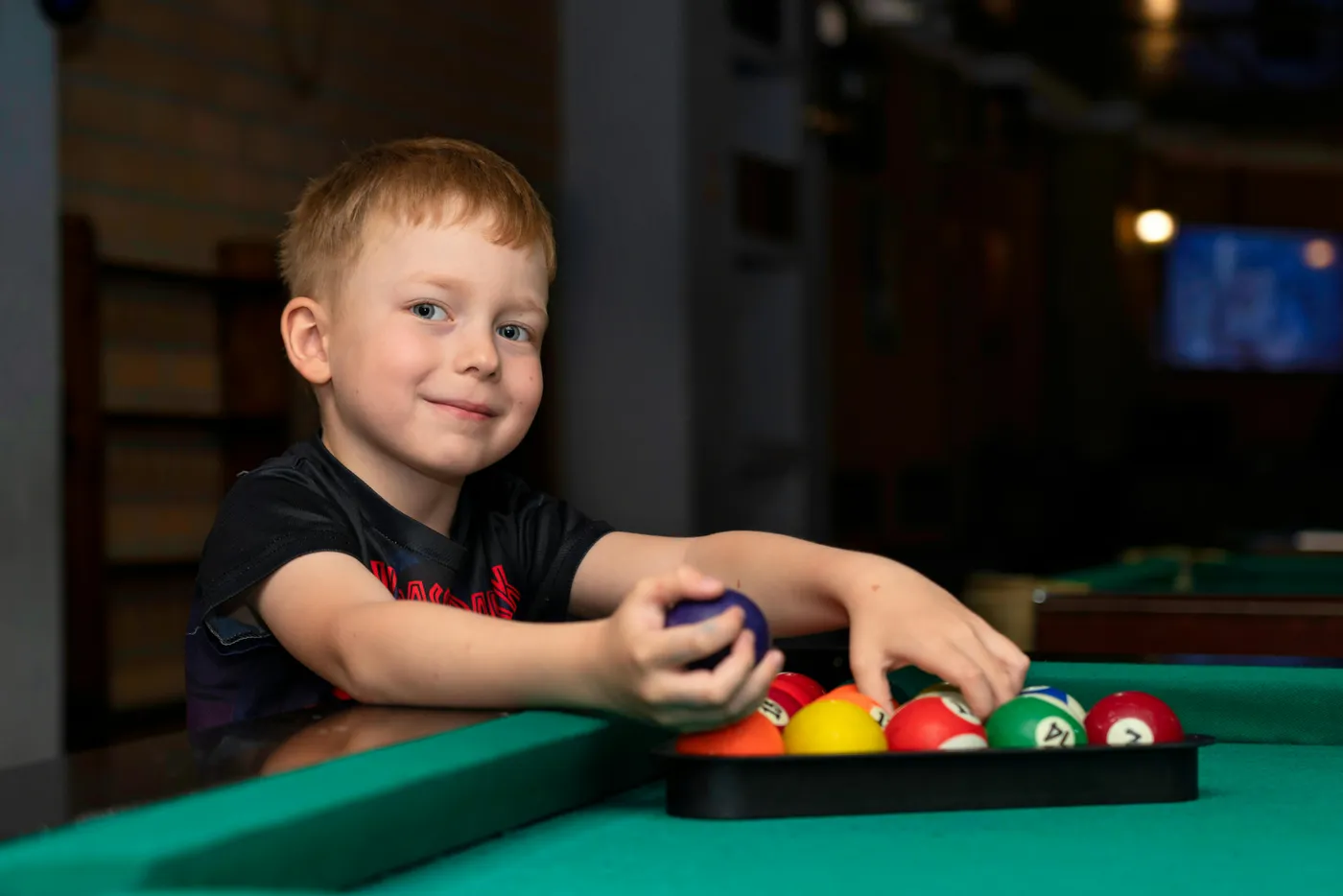
Find a Snooker Club Near You
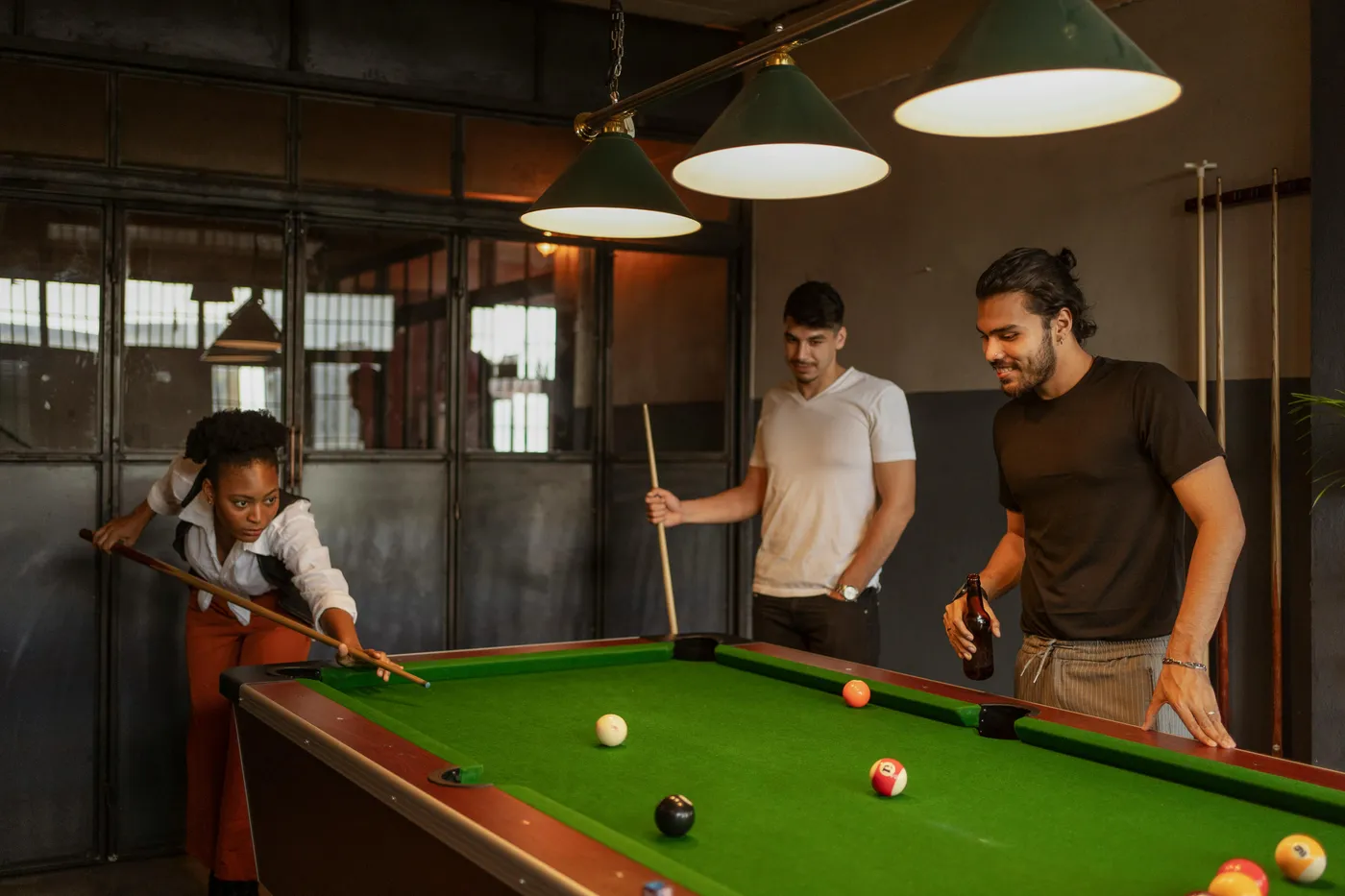
We've mapped over 1,200 snooker and cue sports clubs across the UK — from dedicated snooker centres with coaching programmes to community clubs with junior sessions. Many clubs offer discounted rates for young players and some run structured coaching programmes aligned with the WPBSA's Cue Zone initiative.
What to Look For in a Junior-Friendly Club
- Dedicated junior sessions or coaching programmes
- DBS-checked coaches
- Appropriate table heights or step platforms for younger players
- A welcoming atmosphere — many clubs now actively encourage families
- Links to local leagues or the WPBSA/EPSB junior pathway
- Clubs that host Under-14 qualifiers are a great starting point
Many professional players started young — Ronnie O'Sullivan made his first century break at age 10, Judd Trump won the English Under-18 Championship at 15. But you don't need to start that early. The beauty of cue sports is that they reward patience, practice, and thinking — qualities that develop naturally through adolescence.
Legends of the Baize: Top Trumps Edition
Meet the greatest player from each of the four main cue sports played in the UK.
Ronnie O'Sullivan
Snooker — 7x World Champion • 🇬🇧 English
Education
Self-taught from age 7. First century break at age 10. Youngest ever World Championship winner at 17.
Key Skills
Career Path
- →First century break aged 10
- →Youngest UK Championship winner (17 years old, 1993)
- →Youngest World Championship winner (17, 2001)
- →7 World Championship titles (2001, 2004, 2008, 2012, 2013, 2020, 2022)
- →Record 1,000+ career century breaks
- →Holds record for fastest 147 maximum break (5 minutes 8 seconds)
Fun Fact
O'Sullivan is famously ambidextrous — he plays left-handed shots as comfortably as right-handed ones, a skill almost no other professional possesses. He once offered to play an entire match left-handed.
Karl Boyes
Pool — World 8-Ball & 9-Ball Champion • 🇬🇧 English
Education
Started playing pool in pubs as a teenager in Blackpool. Turned professional in his early 20s.
Key Skills
Career Path
- →Multiple World Pool Masters titles
- →World 8-Ball Pool Champion
- →Mosconi Cup team member for Europe (multiple years)
- →One of the most decorated English pool players in history
- →Competes in both 8-ball and 9-ball formats internationally
- →Ambassador for grassroots pool in the UK
Fun Fact
Boyes learned to play on the small pub tables of Blackpool before transitioning to the American-size tables used in international competition — a switch that many players struggle with but he mastered.
Mike Russell
Billiards — 12x World Champion • 🇬🇧 English
Education
Started playing billiards as a junior in Middlesbrough. Dedicated his career to the three-ball game.
Key Skills
Career Path
- →12-time World Billiards Champion — the most in history
- →Dominated the sport for over two decades
- →Multiple World Team Championship winner for England
- →Holds numerous billiards records for highest breaks
- →Awarded MBE for services to billiards
- →Active coach and ambassador for the sport
Fun Fact
Russell once compiled a break of over 1,000 points in a single visit to the table — in billiards, there is no maximum break, so the only limit is your concentration and skill.
Jeff Saunders
Bar Billiards — Multiple National Champion • 🇬🇧 English
Education
Learned bar billiards in pubs across southern England. Rose through local and county leagues to national level.
Key Skills
Career Path
- →Multiple All England Bar Billiards Champion
- →County champion for over a decade
- →Represented England in international bar billiards
- →Key figure in promoting the sport to younger players
- →Active in organising national tournaments
- →Mentor to the next generation of bar billiards players
Fun Fact
Bar billiards is one of the few sports where knocking over a mushroom-shaped peg can wipe out your entire score for that turn — Saunders is renowned for his ability to play aggressively while avoiding the pegs, a skill that takes years to master.
Johnstone Snooker: The Multiplayer Variant
Traditional snooker is a two-player game, which can be frustrating when a group of friends all want to play. Enter Johnstone Snooker — a multiplayer variant invented by university students that turns a standard snooker table into a chaotic, strategic, and brilliantly fun game for 3 to 6 players.
🎱 How to Play Johnstone Snooker
Setup: Each player is randomly assigned one of the colour balls (yellow through black) as their "object ball." This is the ball that represents them on the table. The 15 reds are set up as normal.
Taking turns: Players take turns in order. On your turn, you can either:
- Pot a red ball — scores you 1 point (as in normal snooker)
- Target an opponent's colour ball — if you pot it, you score 2 points AND the owner of that ball loses 2 points from their score
Breaks: You can continue your break as long as you keep potting, with one rule — you cannot target the same colour ball twice in a row. This prevents players from repeatedly lining up the same ball and creates more varied, tactical play.
Re-spotting: Colour balls are re-spotted after being potted (as in normal snooker). Your colour ball is always at risk!
Winning: The game ends when all reds are potted. The player with the highest score wins.
Why Johnstone Snooker Works
The genius of Johnstone Snooker is the risk-reward dynamic. Potting reds is safe but slow (1 point). Going after an opponent's colour is high-reward (2 points gained, 2 points taken from them — a 4-point swing) but risky because you might leave your own colour exposed. The "no same colour twice in a row" rule forces players to vary their targets and prevents one player from being bullied repeatedly.
It also means everyone stays engaged. In traditional snooker, you might wait 10 minutes for your turn while someone builds a break. In Johnstone Snooker, you're always watching nervously to see if someone targets your colour — and plotting your revenge.
💡 Perfect for Youth Groups & Clubs
Johnstone Snooker is ideal for youth clubs, school common rooms, or any situation where more than two people want to play. It works with 3-6 players and teaches all the same skills as regular snooker — angles, position play, and tactical thinking — while adding a social, competitive element that keeps everyone laughing and engaged. Next time you're at a snooker club with a group, give it a try.
Find Snooker & Cue Sports Near You
Over 1,200 snooker clubs mapped across the UK, plus junior championships and tour events.
Sources: World Snooker Tour, WPBSA, English Partnership for Snooker and Billiards. Johnstone Snooker rules documented from original players. Content was rephrased for compliance with licensing restrictions.
Comments
Sign in to join the conversation
Sign in