

Summer Stage: Drama and Performing Arts Festivals for Young People Across the UK
Every August, Edinburgh transforms into the world's largest arts festival. But the Edinburgh Fringe is just the most visible part of a thriving UK performing arts scene that offers extraordinary opportunities for young people throughout the summer months. From village hall pantomimes to professional youth theatre productions, the summer stage is open to children of all ages, backgrounds, and experience levels.
Drama and theatre activities do more than teach children to act. They build confidence, communication skills, empathy, and creative thinking — qualities that serve young people well in every aspect of their lives. And new research is backing this up in ways that should reassure any parent wondering whether drama is "worth it."
What the Research Says
A landmark set of Rapid Evidence Reviews published in 2026, co-commissioned by the Royal Shakespeare Company and the Cultural Learning Alliance, examined decades of evidence on the impact of arts-rich education. Their findings were striking: agency and personal development were the most significant benefits of drama education, and the collaboration inherent in performance was shown to support social learning and build meaningful connections between young people. Content was rephrased for compliance with licensing restrictions.
Separately, research published in Frontiers in Psychology found that participation in drama-based programmes measurably improved children's socio-emotional competencies, including their ability to understand other people's perspectives (theory of mind) and to collaborate effectively. A 2024 study in the European Journal of Psychology of Education confirmed that drama-based interventions improved children's emotional intelligence, particularly in reducing negative behaviours related to social skills. Content was rephrased for compliance with licensing restrictions.
The takeaway for parents? Drama isn't just a nice hobby — it develops fundamental skills that support children academically, socially, and emotionally.
The Edinburgh Fringe and Youth Performance
 Edinburgh Festival Fringe (August 2026)
The Edinburgh Fringe runs for approximately three weeks every August, hosting thousands of performances across hundreds of venues. While much of the Fringe is aimed at adult audiences, there's a substantial programme of youth-focused events. You can explore all of the Edinburgh Festival Fringe youth programmes on BusyKids.
Fringe Youth Programmes include:
- Youth performances: Many Fringe shows are created and performed entirely by young people. Youth theatre companies from across the UK bring productions to Edinburgh, giving young performers the experience of appearing at the world's biggest arts festival.
- Workshops and masterclasses: Professional performers and directors run workshops for young people during the Fringe. These cover acting technique, improvisation, physical theatre, stage combat, and more.
- Schools and family shows: A dedicated strand of the Fringe programme features shows suitable for children and families, ranging from interactive storytelling for under-5s to thought-provoking drama for teenagers.
Attending the Fringe as a family — even just for a day — can be a transformative experience for children interested in performing arts. Seeing the sheer variety of performance styles, from stand-up comedy to experimental theatre, broadens their understanding of what "drama" can be.
Other Major Festivals
The Edinburgh Fringe isn't the only game in town. Summer performing arts festivals across the UK include:
National Theatre Connections
A nationwide youth theatre festival where young companies perform specially commissioned plays by leading playwrights. Explore NT Connections on BusyKids.
Chichester Festival Theatre Youth Programme
Summer workshops and performances in one of the UK's most respected theatres. See all CFYT programmes.

Manchester International Festival
Includes youth engagement programmes and family-friendly performances across Manchester venues.

Latitude Festival (Suffolk)
Features a dedicated theatre and arts area with family programming throughout the festival.
Summer Holiday Programmes Worth Knowing About
Beyond the festivals, hundreds of organisations across the UK run intensive summer programmes where children can immerse themselves in performing arts for a week or more. Here are some standout options:
 National Youth Theatre
The National Youth Theatre of Great Britain is one of the most prestigious youth performing arts organisations in the world. Alumni include Helen Mirren, Daniel Craig, Chiwetel Ejiofor, and Michaela Coel. Each summer, NYT runs intensive acting programmes for ages 14-25, audition workshops, and technical theatre courses covering lighting, sound, and stage management. Bursaries are available to ensure financial circumstances don't prevent participation.
Young people aged 11-25 can join the NYT Hub — an online creative community with live workshops, industry talks, and the pathway to audition for Acting Membership (14-25) or interview for Backstage Membership (16-25). Once accepted, members access casting auditions, the REP Company, and free professional training.
 Bristol Old Vic Theatre School
 — one of the UK's leading conservatoires, with alumni including Olivia Colman and Sir Daniel Day-Lewis — runs year-round youth programmes from age 3 upwards. Their Sunday Young Artists classes progress through age-grouped stages from imaginative play (Wings, ages 3-4) to rigorous, pre-professional training (Stage Right, ages 15-17), while the audition-entry Young Conservatoire (ages 16-18) mirrors degree-level methodology. In summer 2026, they offer Theatre Making Camps (ages 5-16), a Filmmaking Camp (ages 12-16), a Design Camp (ages 5-11), and an Auditions Bootcamp for aspiring drama school applicants. All classes are taught by experienced professionals with bursaries available.
 Guildhall School of Music & Drama
 — one of Europe's leading conservatoires, provided by the City of London Corporation — runs four youth acting courses in summer 2026. Their Acting Summer Course for Ages 8-11 (£695, 5 days) offers a creative introduction led by Guildhall Gold Medal winner Eva Feiler. The Acting Summer Course for Ages 12-15 (£725, 5 days, two dates available) is led by Emily Berrington (24, Humans, Outnumbered) and covers voice, singing, movement, and text work. For older teens, the Acting Summer School for Ages 16-17 (£1,475, 2 weeks) is a rigorous intensive covering self-taping, classical text, Shakespeare, and dance — led by Aled Pedrick (Doctor Who, Welsh National Theatre). Finally, the Residential Drama Summer School for Ages 13-17 (£3,295, 2 weeks at Freemen's School in Surrey) combines expert-led drama with full residential care — an immersive option for teenagers serious about performing arts as a career pathway.
 British Youth Music Theatre
 (BYMT) is one of the UK's leading musical theatre companies for young people aged 11-21. Their six-day residential summer camps run at four locations across the UK — York, London, Hertfordshire, and Shropshire — where participants create and perform a brand new musical, developing skills in acting, singing, movement, lyric writing, and instrumental playing. No audition is required for camps (first come first served), and all are taught by experienced working theatre professionals.
Beyond the summer camps, BYMT offers an Upskill Short Course for 16-21s considering drama school or the industry, focusing on audition technique and career planning. For those seeking performance opportunities, BYMT Performer and Musician Auditions (3-hour group creative workshops) lead to casting in professional productions of brand new musicals at professional theatres across the UK. Participants receive a Grade 6 Certificate in Musical Theatre (Mountview Exams), and experience can count towards Arts Award or DofE. BYMT also runs Discover Music Theatre workshops tailored for schools and community groups, covering singing, music, dance, acting, improvisation, and scriptwriting.
 Stagecoach Performing Arts
Stagecoach schools across the UK run summer workshops that are particularly popular for younger children (ages 4-18). Their week-long programmes typically culminate in a fully staged and costumed production — complete with professional photography — giving every child their moment in the spotlight. Non-members are welcome, making these an excellent taster for families considering regular classes.
Local Providers on BusyKids
We list dozens of summer performing arts holiday courses from providers across the UK, including:

Act One Studio — Half Term Musical Theatre Workshop
Act One Studio
No reviews yet
Musical Theatre workshops for children aged 5-12. A week of singing, dancing, and acting culminating in a performance.
ACTC Summer Camp — High School Musical JR.
ACTC
No reviews yet
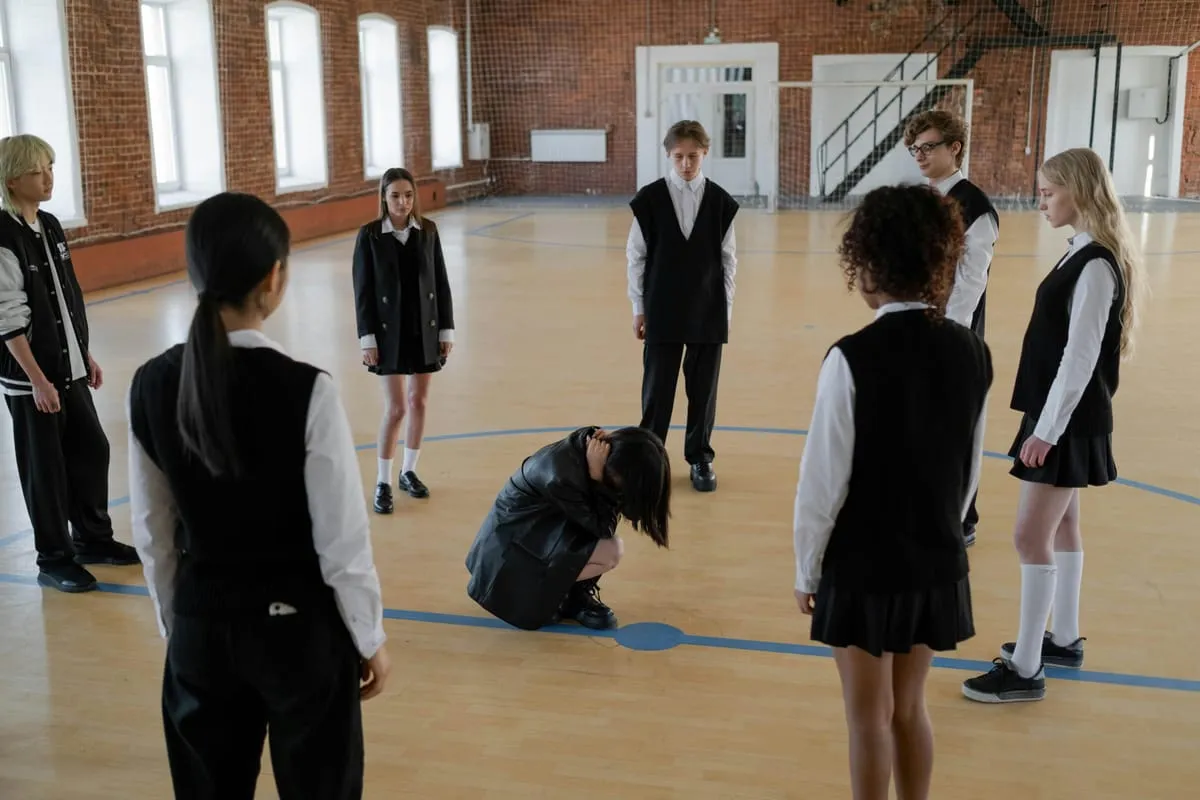
Full production of High School Musical JR. Young performers aged 9-17 rehearse and perform a complete show in one week.
Chance To Dance — Holiday Camp
Chance To Dance
No reviews yet
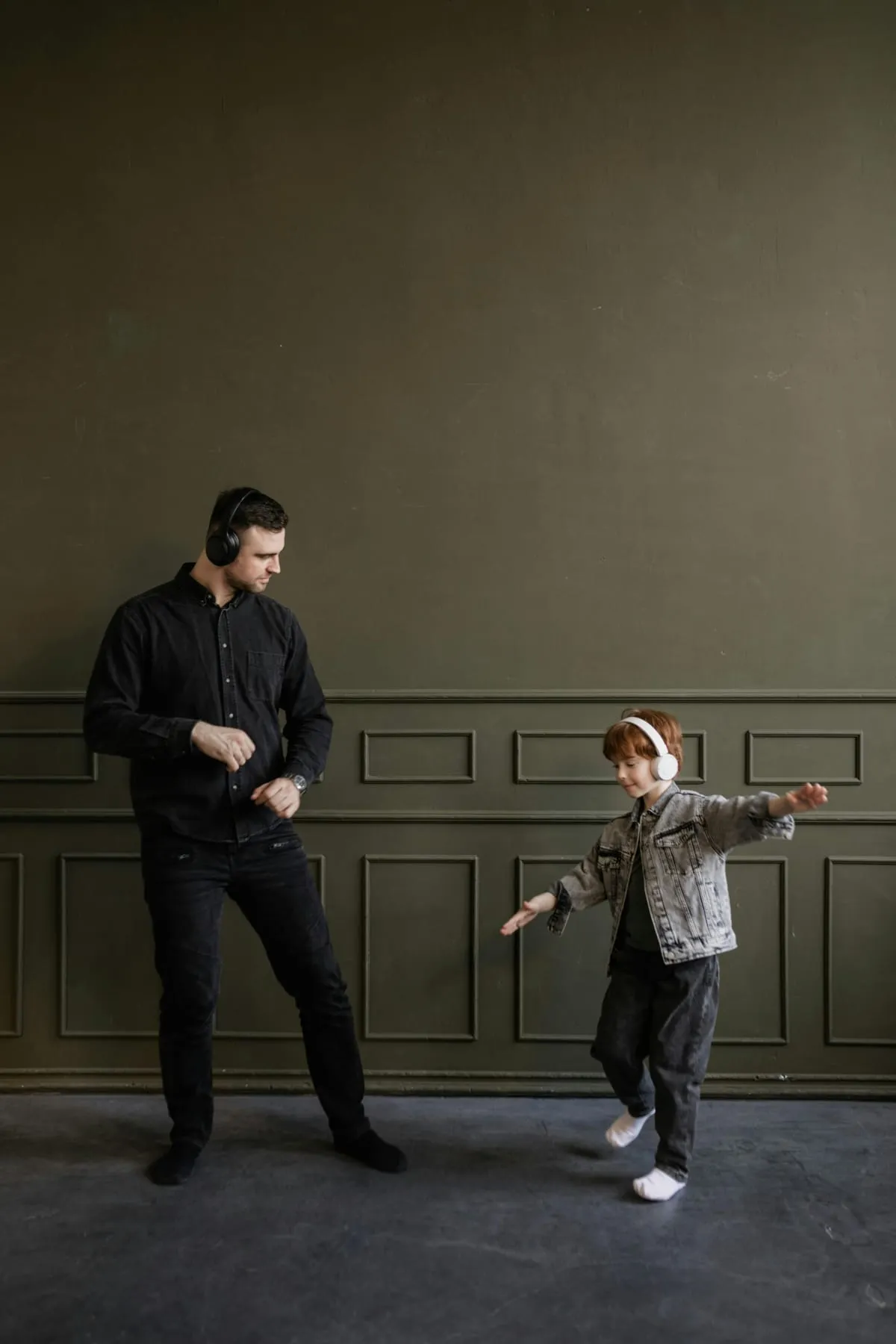
Holiday camp combining dance, drama and singing for ages 5-18. A fun-filled week of performing arts.
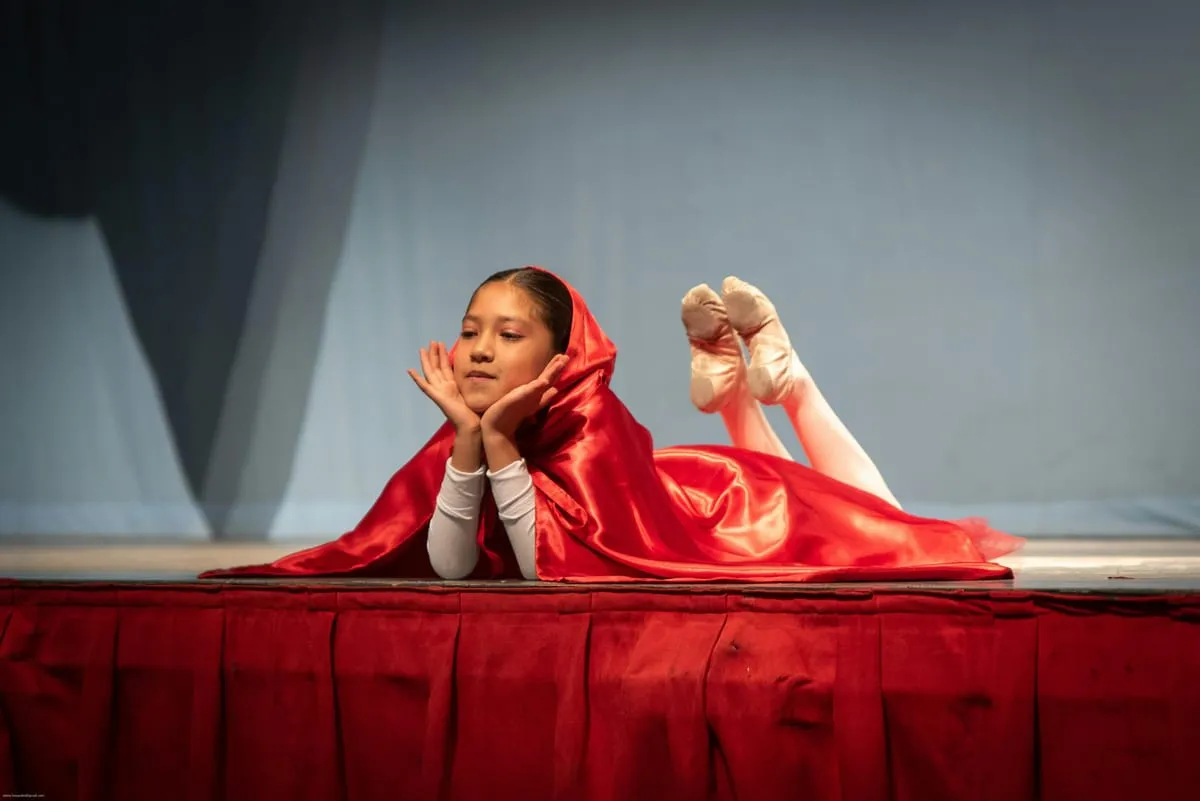
Create Space Studios — Theatre Fun
Create Space Studios
No reviews yet
Theatre Fun sessions with morning-only and full-day options. Drama games, devising, and performance for ages 5-13.
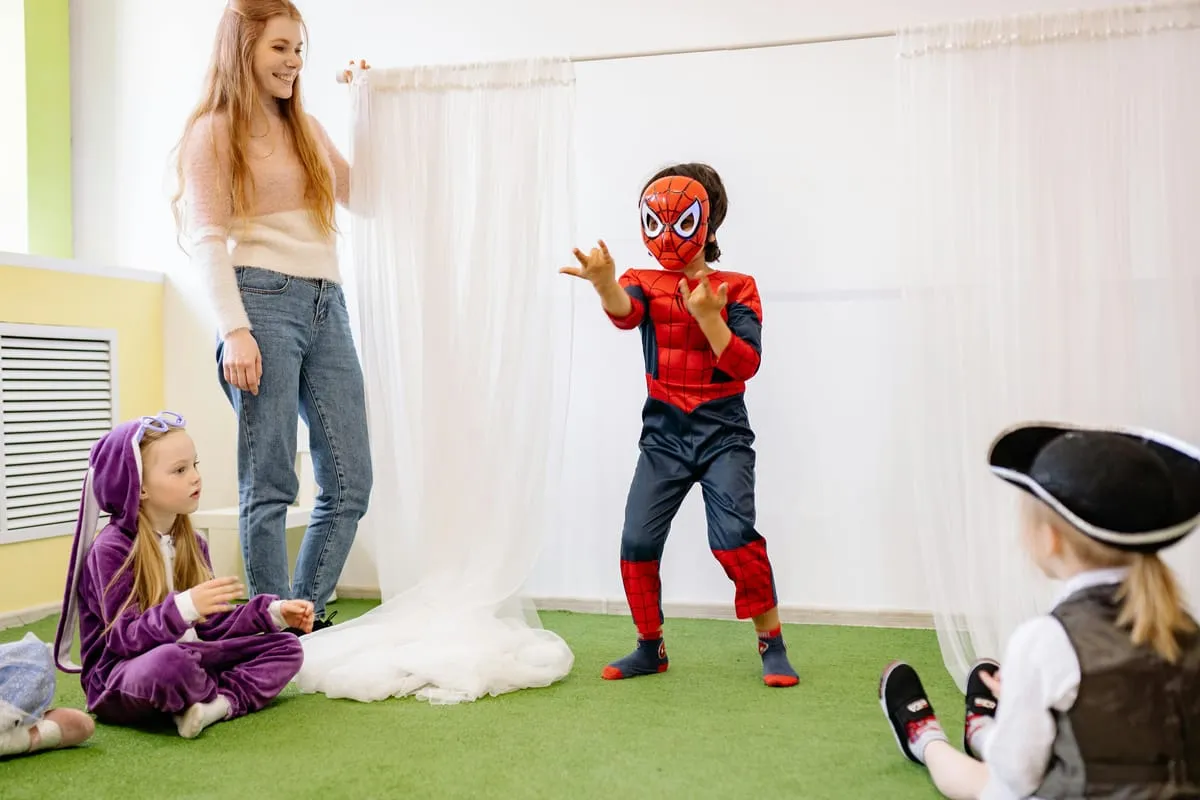
Activate Theatre — Mini Stars Summer School
Activate Theatre
No reviews yet
Summer school for younger children aged 4-7. A gentle introduction to drama through play, stories, and performance.
Search for performing arts holiday courses near you.

The Skills Drama Builds
Confidence and Self-Expression
Drama is one of the most effective activities for building confidence in children. Standing on a stage, speaking clearly, and expressing emotions in front of an audience requires courage — and each successful experience builds more.
Importantly, drama builds confidence in a different way from sport or academic achievement. It teaches children that their voice matters, that their ideas are worth sharing, and that vulnerability (showing emotions, taking creative risks) is a strength rather than a weakness.
Communication Skills
Actors must communicate clearly and effectively — not just through words, but through body language, facial expression, tone of voice, and timing. These skills transfer directly to everyday life, helping children:
- Present ideas clearly in school
- Navigate social situations with greater ease
- Express their feelings and needs effectively
- Listen actively to others
- Read non-verbal cues in social interactions
Empathy and Emotional Intelligence
Playing different characters requires children to understand perspectives, motivations, and emotions that may be very different from their own. This process of "stepping into someone else's shoes" develops empathy and emotional intelligence — skills that are increasingly recognised as crucial for personal and professional success.
The 2026 RSC/CLA evidence reviews specifically highlighted that drama's collaborative nature supports social learning in ways that individual study cannot replicate. Children learn to negotiate creative differences, support fellow performers, and celebrate shared achievements — all while developing a deeper understanding of human experience.
Teamwork and Collaboration
Theatre is inherently collaborative. A production requires actors, directors, designers, technicians, and stage managers to work together towards a shared vision. Children learn to compromise, take direction constructively, contribute to a collective effort, and share in the pride of a successful performance.
Getting Started with Drama
For Complete Beginners
Children who've never done drama before can feel intimidated by the idea of performing. Summer workshops are ideal starting points because:
- They're time-limited (no long-term commitment)
- They're designed for mixed-ability groups
- The focus is on fun and exploration, not polished performance
- Children are surrounded by others who are also trying something new
Look for workshops described as "introductory," "taster," or "for beginners." Avoid audition-based programmes for first-timers — these are better suited to children with some experience.
For Shy or Anxious Children
Drama might seem like the last thing a shy child would enjoy, but many drama teachers report that their most reserved students become the most engaged participants. The key is finding the right environment:
- Small group sizes: Look for workshops with no more than 12-15 participants
- Experienced facilitators: Teachers who specialise in working with young people understand how to create safe, supportive spaces
- Process over product: Programmes that focus on exploration rather than performance reduce pressure
- Gradual progression: Good drama teaching builds confidence incrementally, never forcing children beyond their comfort zone
Many parents report that drama has been transformative for shy children, giving them tools and confidence that extend far beyond the rehearsal room.
For Experienced Young Performers
Children who already love drama can use summer programmes to stretch their skills:
- Intensive courses: Week-long or two-week programmes that develop specific techniques
- Specialist workshops: Stage combat, physical theatre, devising, directing, or playwriting
- Performance opportunities: Summer productions that challenge them with complex roles
- Technical theatre: Exploring backstage roles like lighting, sound, and stage management
- Audition preparation: For those considering drama school or performing arts GCSEs/A-levels
Drama and Career Pathways
While not every child who enjoys drama will pursue a career in performing arts, the skills developed through theatre are valued across many professions. Public speaking, creative problem-solving, teamwork, and emotional intelligence are sought after in fields from law and business to education and healthcare.
For those who do want to explore performing arts, here's how a child's journey might progress from first steps to professional training — with real courses available on BusyKids at every stage:
Imaginative Play & Storytelling
Musical drama sessions, puppet play, and nursery rhyme performances

Fun-filled drama classes for toddlers exploring stories through song, movement, and play.

Award-winning interactive drama classes for babies and toddlers using puppets, props, and music.

Baby signing combined with songs, stories, and drama to boost early communication skills.
Youth Theatre & Musical Theatre
Ensemble drama, devising, and introduction to stage performance

Weekly performing arts classes in singing, dancing, and acting. Each term builds towards a showcase performance.

Devising, improvisation, and early script work at one of the UK's leading conservatoires.

Weekly drama sessions at Chichester Festival Theatre for younger children. Led by professional practitioners.
Intensive Drama & Festival Performance
Youth theatre companies, festival performances, and audition-based programmes

Five-day intensive led by Emily Berrington (24, Humans). Voice, singing, movement, and text work.

Britain's biggest youth theatre festival. Perform new plays at 33 professional theatres across the UK.

Six-day residential camp creating and performing a brand new musical. No audition required.
Conservatoire Preparation & Professional Pathways
Drama school audition prep, professional productions, and industry mentoring
Audition-entry Thursday evening programme mirroring degree-level methodology. Acting, voice, and movement.
Two-week intensive. Self-taping, classical text, Shakespeare, singing, dance. Led by Aled Pedrick (Doctor Who).

Access casting auditions, the REP Company, and free professional training. Alumni: Helen Mirren, Daniel Craig.
Explore the full Drama & Theatre pathway on BusyKids →
The UK's creative industries contribute over £100 billion to the economy annually and employ more than two million people. Careers extend far beyond acting to include directing, writing, producing, design, technical production, arts administration, and education.
Practical Considerations
Cost
Drama programmes vary widely in cost:
- Free options: Many local authorities, libraries, and community organisations run free drama workshops during holidays
- Community youth theatres: Typically £5-£15 per session or £50-£100 for a week-long programme
- Professional youth theatre companies: £100-£300 for intensive summer courses
- Residential programmes: £300-£800 for week-long residential courses
Bursaries and subsidised places are available from many organisations. The National Youth Theatre, for example, offers means-tested bursaries covering up to 100% of course fees.
What to Wear
Drama workshops typically require comfortable clothing that allows free movement. Avoid jeans (too restrictive) and anything with logos or slogans (distracting). Black or dark-coloured clothing is standard for performances. Bare feet or soft-soled shoes are usual for rehearsals.
Supporting Your Child
The most helpful thing parents can do is show genuine interest without applying pressure. Ask about what they did in workshops, attend performances enthusiastically, and resist the urge to critique or coach. Drama should be a space where children feel free to experiment, make mistakes, and discover their own creative voice.
This Summer's Stage Is Waiting
Whether your child dreams of West End stardom or simply wants to have fun with friends in a creative environment, summer 2026 offers abundant opportunities to explore drama and performing arts. The confidence, creativity, and communication skills they develop will serve them well whatever path they choose.
Search for drama and theatre programmes near you, or explore our performing arts holiday courses for this summer.
Related Resources:
Comments
Sign in to join the conversation
Sign in