

Martial Arts & Self-Defence
Discipline, confidence, fitness — and a pathway from your local club to the Olympic Games
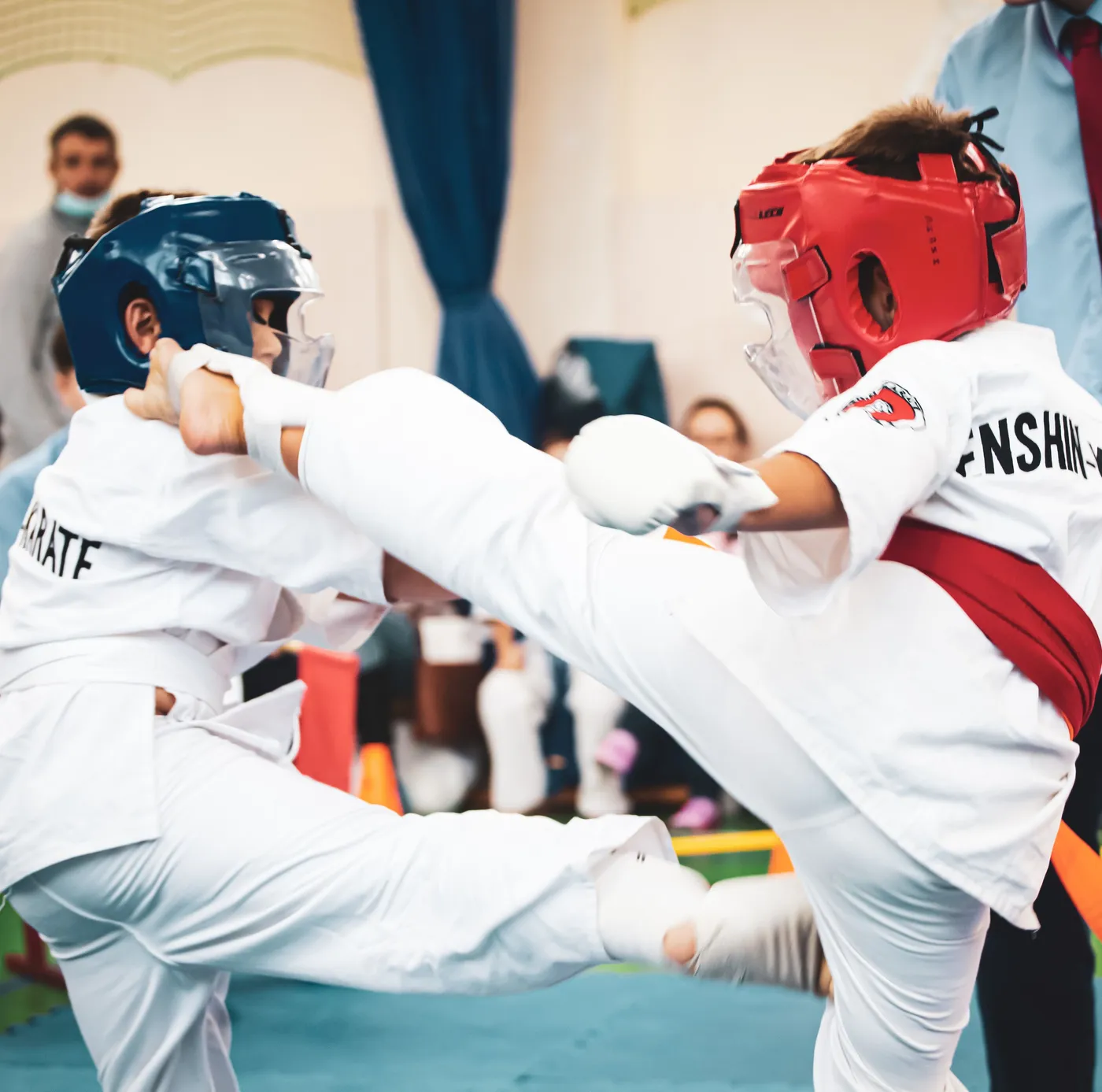
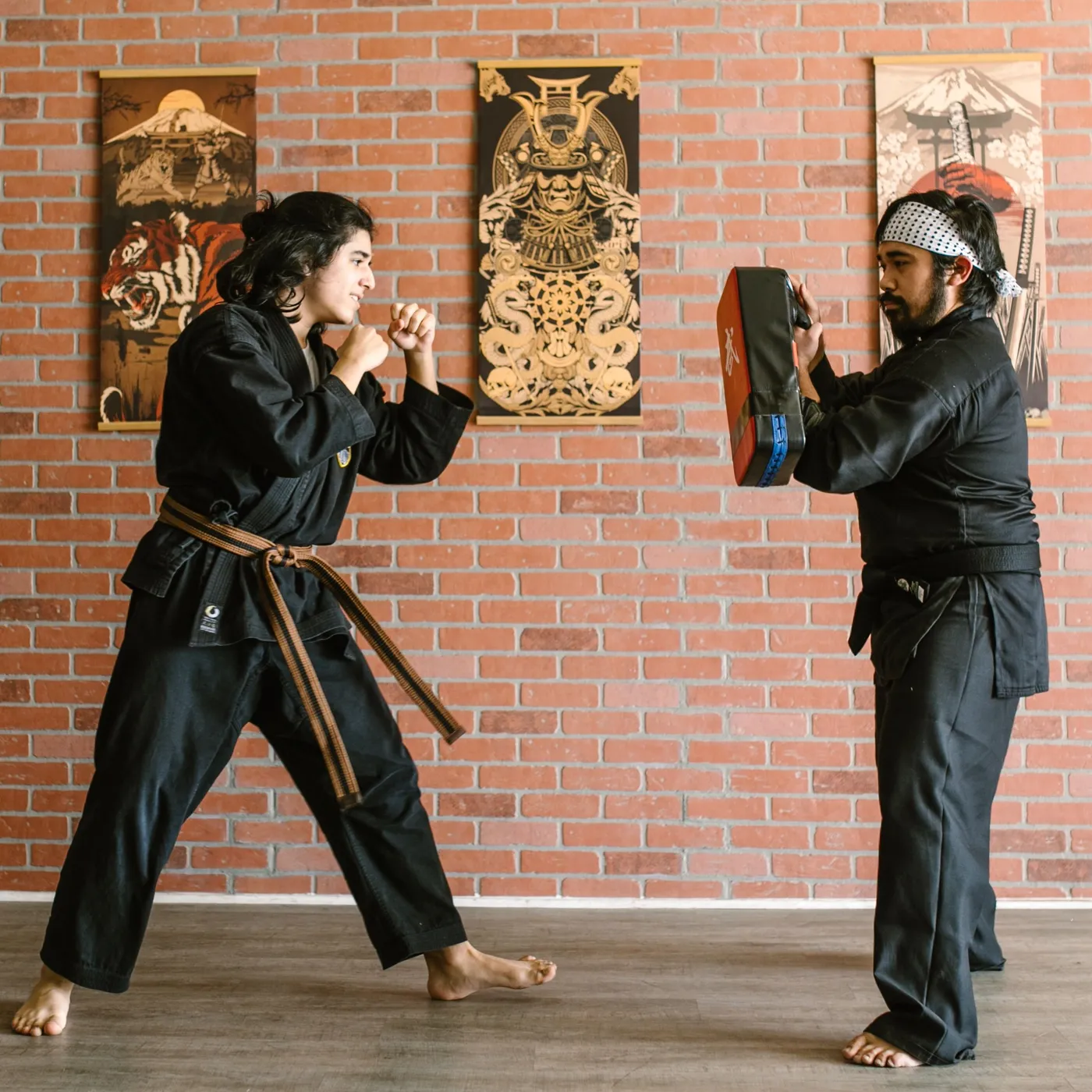
Martial arts develop far more than fighting skills. They build discipline, respect, confidence, and physical fitness while teaching children how to protect themselves and others. With over 3,000 clubs across the UK offering everything from karate and judo to kickboxing and Brazilian Jiu-Jitsu, there's a martial art to suit every child's personality and goals.
Discipline
Learn focus and self-control
Fitness
Full-body workout and flexibility
Self-Defence
Practical protection skills
Achievement
Clear belt progression system
Choose Your Discipline
Each martial art has its own character, techniques, and philosophy. Some focus on striking, others on grappling. Some have Olympic pathways, others emphasise traditional values. Here's a guide to help you choose:
Karate
Japan (Okinawa)Striking art using punches, kicks, knee strikes, and open-hand techniques. Emphasises kata (forms) and kumite (sparring).
Start age: From age 4 • Competition: Olympic sport since 2020
Taekwondo
KoreaKnown for spectacular head-height kicks, jumping and spinning kicks. Olympic sport with strong competitive pathway.
Start age: From age 5 • Competition: Olympic sport since 2000
Judo
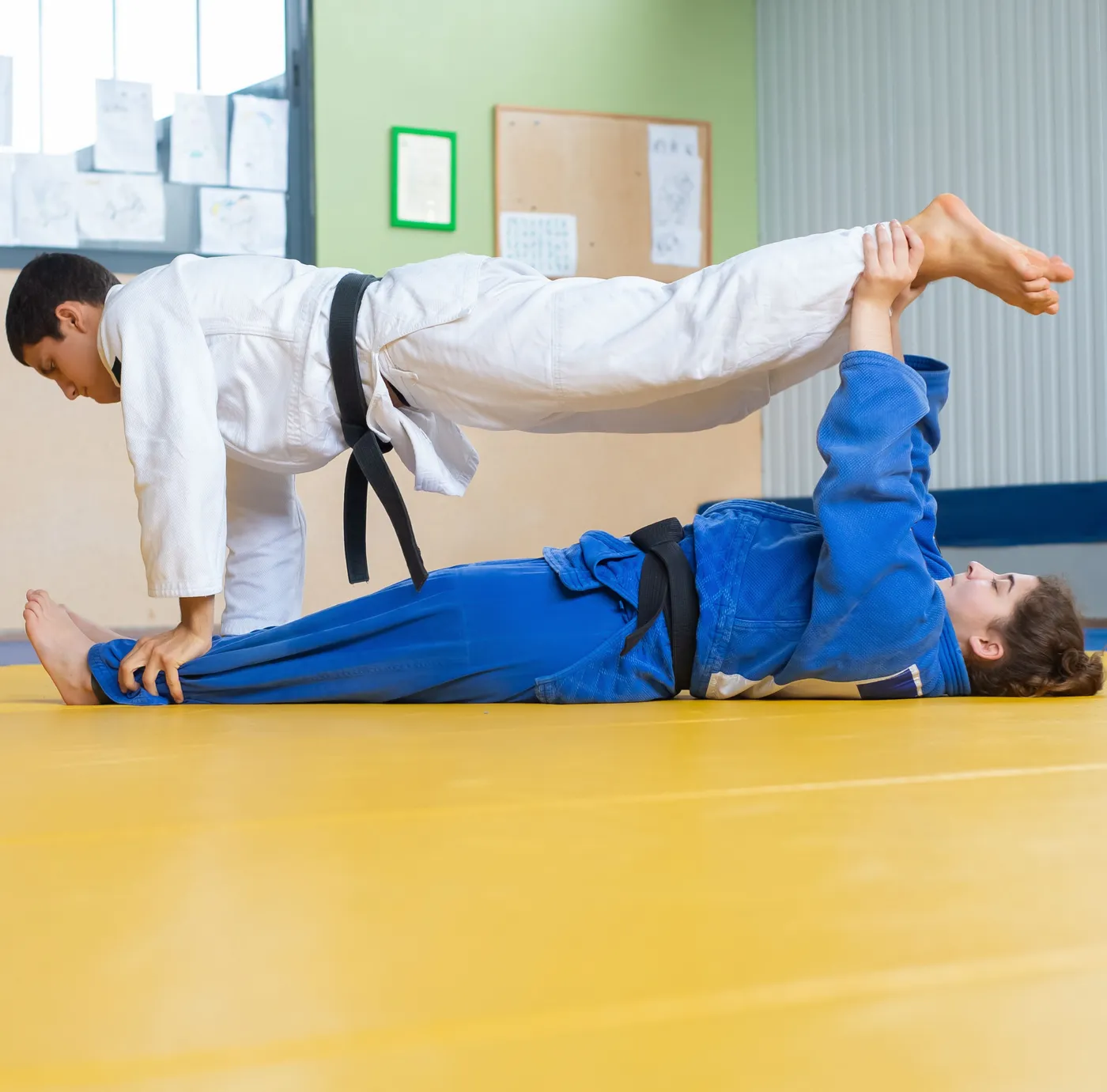
JapanGrappling art focusing on throws, pins, and submissions. "The gentle way" - using opponent's force against them.
Start age: From age 5 • Competition: Olympic sport since 1964
Kickboxing
VariousCombines boxing punches with kicks. Various styles including K-1, full contact, and light continuous.
Start age: From age 6 • Competition: World championships, potential Olympic inclusion
Brazilian Jiu-Jitsu
Brazil (from Japanese roots)Ground-fighting art focusing on submissions and positional control. "Chess with your body."
Start age: From age 5 • Competition: IBJJF World Championships, potential Olympic inclusion
Kung Fu
ChinaVarious Chinese martial arts including Wing Chun, Shaolin, and Wushu. Rich in tradition and philosophy.
Start age: From age 5 • Competition: Wushu World Championships
UK Governing Bodies
Look for clubs affiliated with recognised governing bodies. This ensures qualified instructors, proper insurance, safeguarding policies, and access to official competitions and gradings.
British Judo
The national governing body for judo in Great Britain, running the Olympic pathway and club network.
700+ clubs affiliated
British Taekwondo
Governing body for World Taekwondo (Olympic style) in Great Britain.
400+ clubs affiliated
England Karate
The national governing body recognised by Sport England for karate.
500+ clubs affiliated
British Kickboxing Council
One of the largest kickboxing governing bodies in the UK.
300+ clubs affiliated
UKBJJA
UK Brazilian Jiu-Jitsu Association - the national governing body for BJJ.
200+ clubs affiliated
The Junior Pathway
Martial arts offer one of the clearest progression pathways in youth sport. From first white belt to black belt and beyond, children always know their next goal. Here's what to expect at each stage:
Little Warriors
Ages 4-6
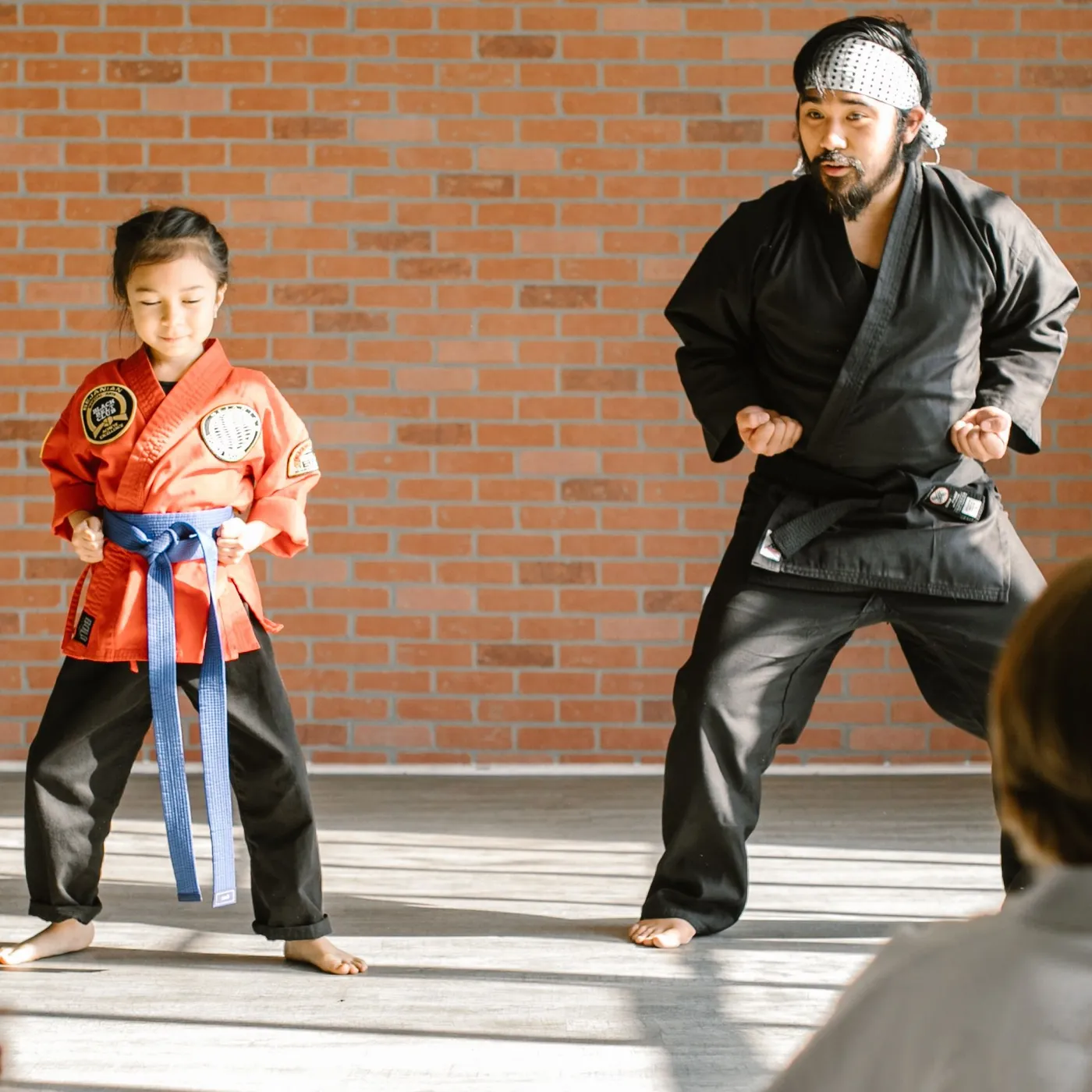
- • Tiny Tigers / Little Ninjas programmes
- • Basic coordination games
- • Simple stances and movements
- • Listening and following instructions
Focus: Fun, basic motor skills, discipline introduction
→ Progress to colour belt system
Junior Development
Ages 7-10
- • Formal belt gradings
- • Basic techniques and forms (kata/patterns)
- • Introduction to sparring with full protection
- • Club competitions
Focus: Technical foundation, respect, perseverance
→ Regional competitions, advanced techniques
Competitive Junior
Ages 11-14
- • Advanced techniques and combinations
- • Regular competition circuit
- • National championships entry
- • Instructor assistant training
Focus: Competition skills, mental toughness, leadership
→ National team trials, coaching qualifications
Elite Pathway
Ages 15-18
- • National squad training
- • International competitions
- • Black belt and dan grades
- • Instructor qualifications
Focus: Elite performance, coaching skills, career preparation
→ Professional competition, coaching career, Olympic pathway
Where to find Martial Arts activities
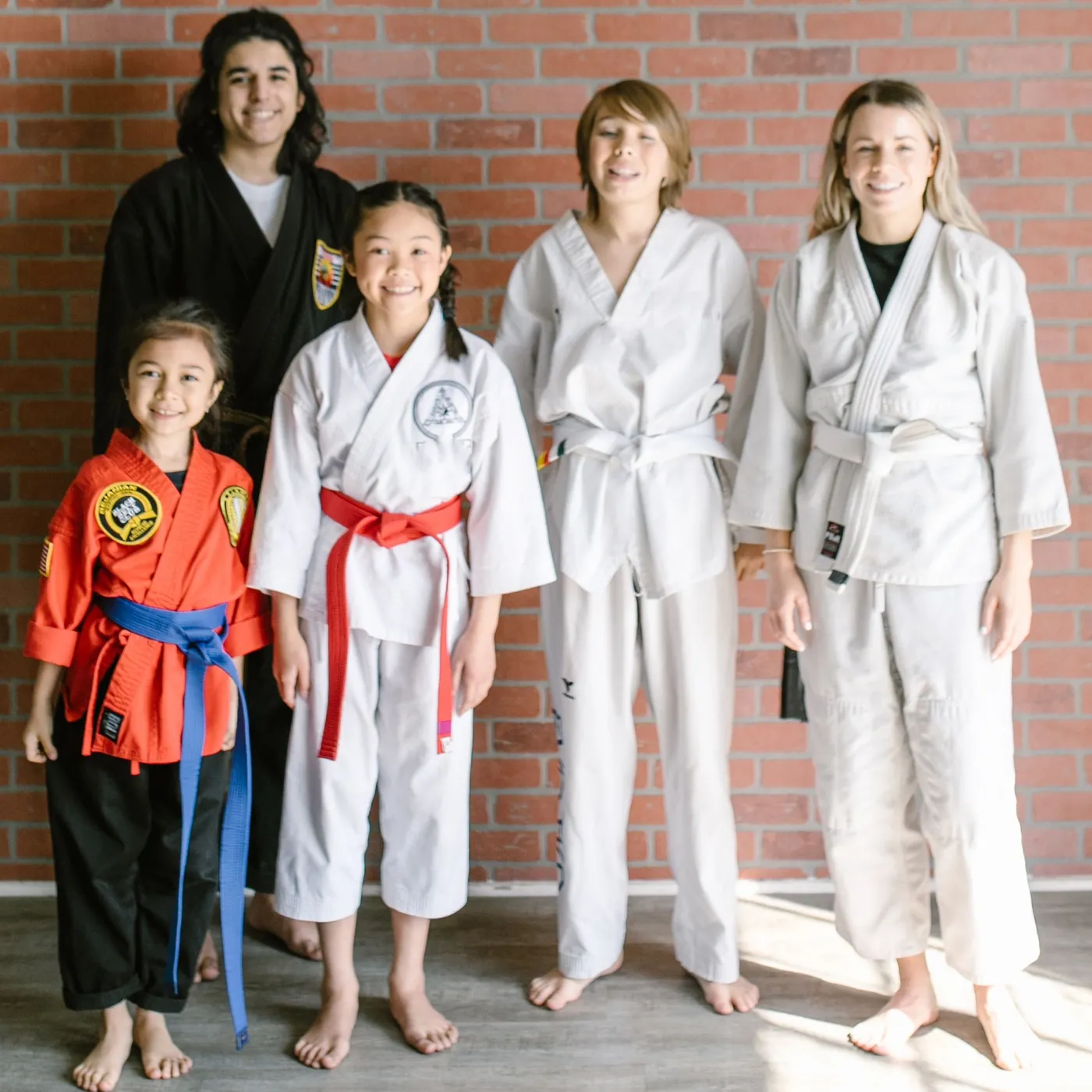
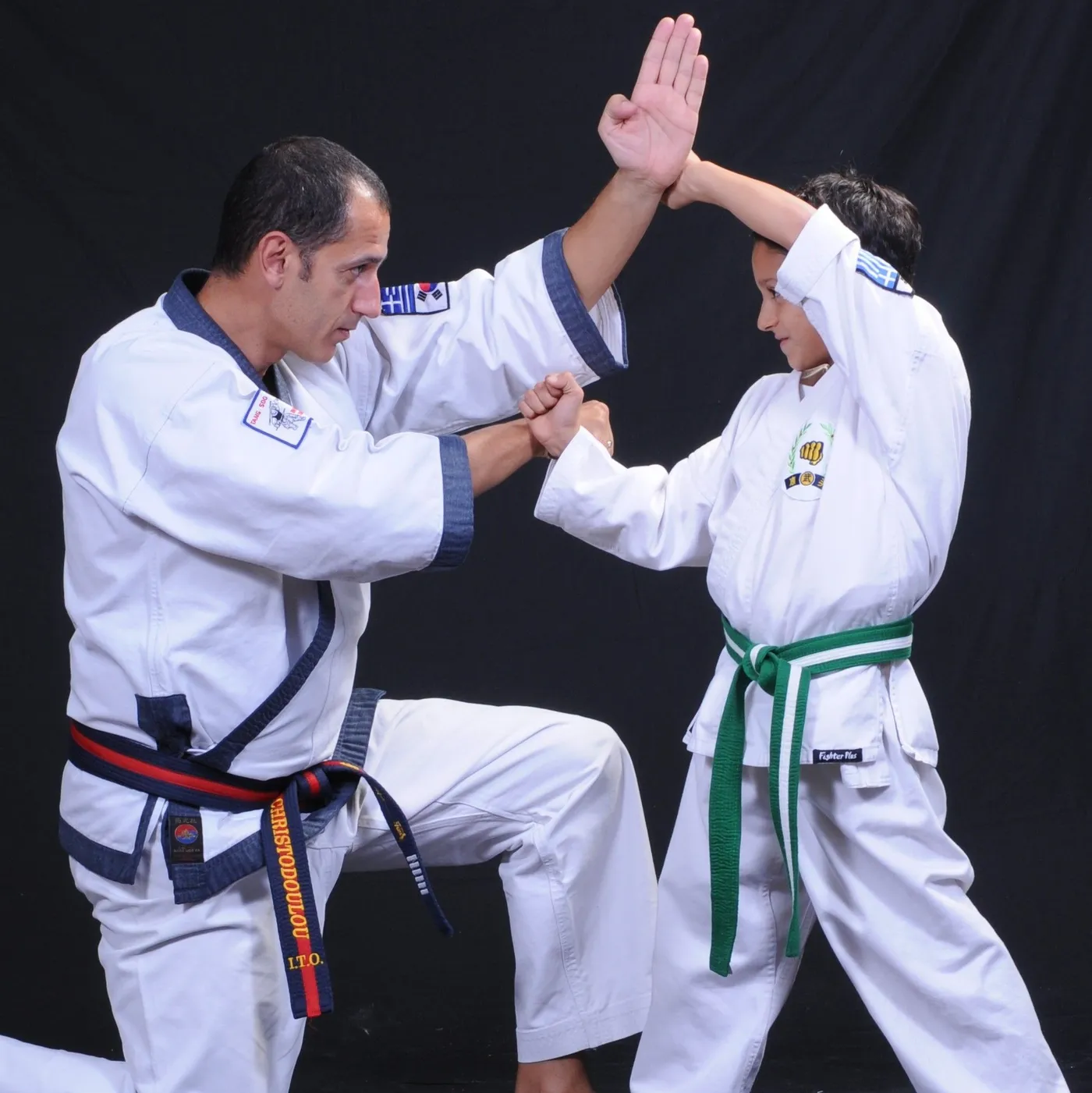
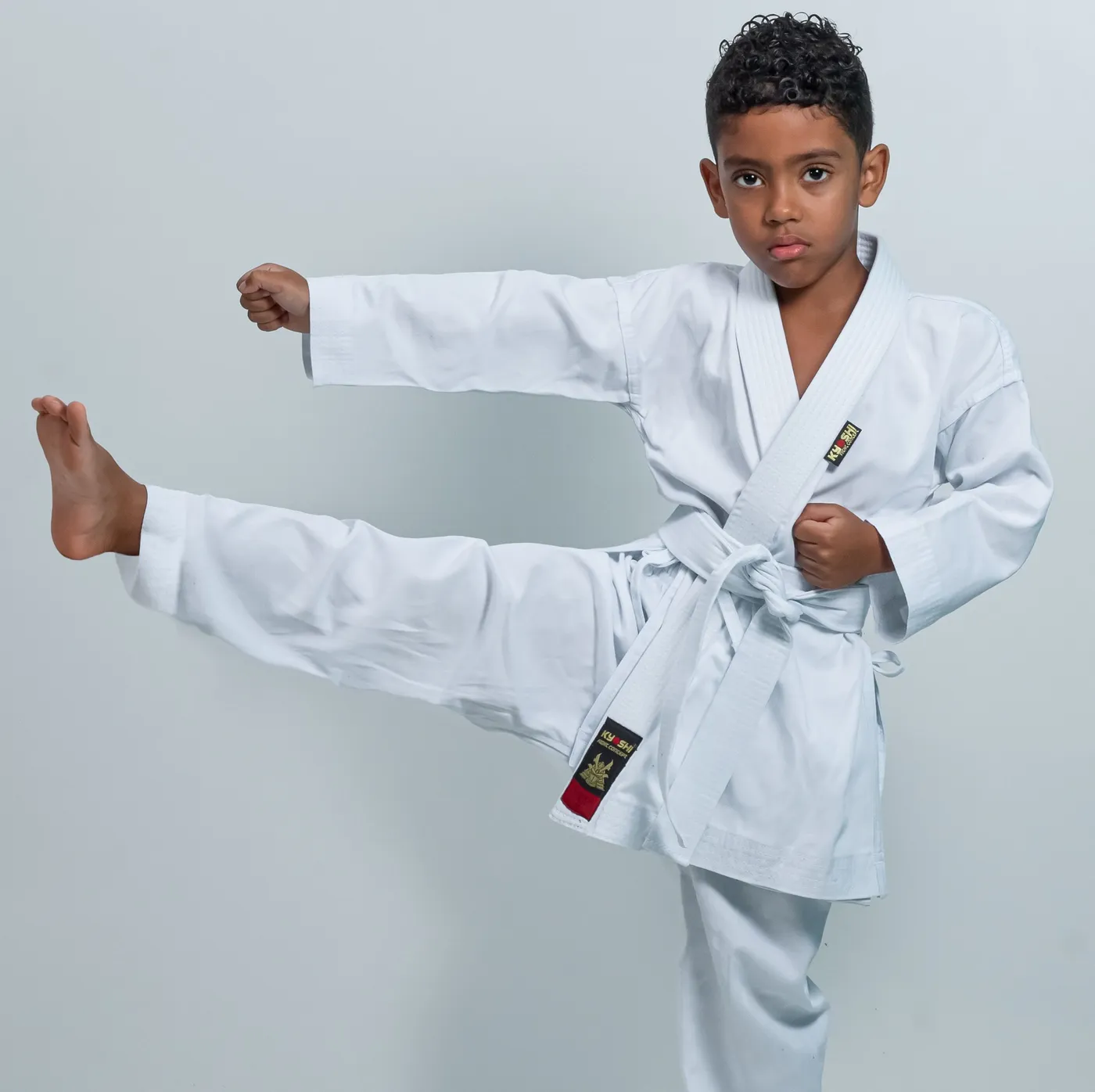
Martial Arts Heroes
These British martial artists started just like your child — at a local club, with a white belt. Their stories show what's possible with dedication and the right support.
Jade Jones
Taekwondo
2x Olympic Gold Medallist (2012, 2016)
“I started taekwondo because I had too much energy and my grandad thought it would be good for me.”
Ashley McKenzie
Judo
Commonwealth Champion, 3x European Medallist
“Judo saved my life. It gave me discipline, focus, and a family.”
Lutalo Muhammad
Taekwondo
Olympic Bronze & Silver, World Champion
“Every setback is a setup for a comeback.”
Ronda Rousey
Judo / MMA
Olympic Bronze, UFC Champion, WWE Hall of Fame
“I was the first American woman to win an Olympic medal in judo. I want girls to know they can do anything.”
Skills That Transfer
Focus & Concentration
Learning forms requires sustained attention — the same skills needed for exams and study.
Respect & Discipline
Bowing, addressing instructors correctly, and following dojo rules builds lifelong respect.
Resilience
Getting back up after being thrown or submitted teaches mental toughness.
Goal Setting
The belt system provides clear, achievable goals with visible progress markers.
Conflict Resolution
Paradoxically, learning to fight teaches children to avoid and de-escalate conflicts.
Physical Literacy
Balance, coordination, flexibility, and body awareness benefit all physical activities.
Career Pathways
Martial arts can lead to diverse career opportunities beyond professional competition:
Martial Arts Instructor
Teaching and coaching martial arts disciplines
Key Skills
Typical Route
Black belt → Instructor qualification → Own club / Academy
Professional Athlete
Competing professionally in Olympic or MMA disciplines
Key Skills
Typical Route
Junior competition → National team → International competition → Professional
Stunt Performer
Performing action sequences for film, TV, and stage
Key Skills
Typical Route
Martial arts background → Stunt training → Register with agencies → Film work
Sports Physiotherapist
Treating injuries and supporting athletic performance
Range: £28.8k - £46.8k
Source: ONS ASHE 2024
Key Skills
Typical Route
Physio degree → Sports specialism → Elite sport work
PE Teacher
Teaching physical education with martial arts specialisation
Range: £30.4k - £49k
Source: ONS ASHE 2024
Key Skills
Typical Route
Sports degree → PGCE → NQT → Head of PE
Security Professional
Close protection, door supervision, and security consulting
Range: £31.1k - £47.5k
Source: ONS ASHE 2024
Key Skills
Typical Route
SIA licence → Door work → Close protection training → Executive protection
Salary data from Office for National Statistics, Annual Survey of Hours and Earnings (ASHE) 2024
Search by Discipline
Looking for a specific martial art? Use these quick links to find clubs and classes near you:
Find Martial Arts Near You
Over 3,000 clubs mapped across the UK — karate, judo, taekwondo, kickboxing, BJJ, and more.
Safety & What to Look For
When choosing a martial arts club for your child, look for:
- Qualified instructors — Check for governing body qualifications and DBS checks
- Insurance — All reputable clubs carry public liability insurance
- Safeguarding policy — Ask to see their child protection procedures
- Age-appropriate training — Separate classes for different age groups
- Protective equipment — Sparring should use appropriate pads, headguards, etc.
- Trial sessions — Good clubs offer free or low-cost taster sessions
- Positive atmosphere — Watch a class — children should look engaged and happy
Sources: British Judo, British Taekwondo, England Karate. Content was rephrased for compliance with licensing restrictions.